Holiday dried fruit: a timeless classic
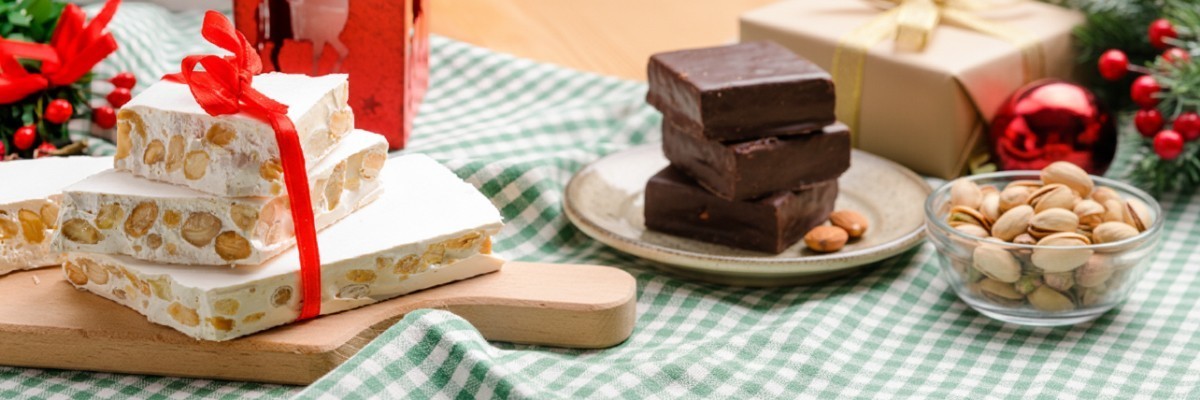
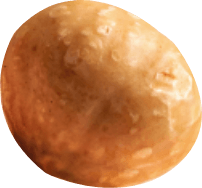
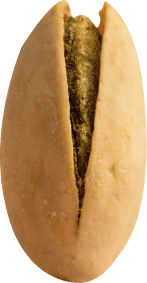
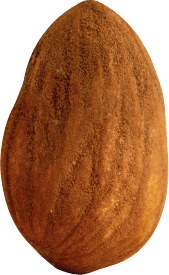
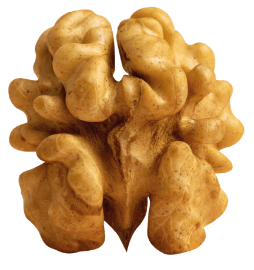
When Christmas time arrives, every home is filled with aromas, rituals, and flavors that immediately bring to mind childhood, family, and tradition. Among these, dried fruit has occupied a special place on Italian tables for centuries. Almonds, hazelnuts, pistachios, and walnuts are not just ingredients: they are symbols of abundance, good luck, and conviviality. Whether they appear as snacks to share after Christmas lunch or as the stars of iconic desserts, they remain a timeless classic, capable of reinventing themselves year after year.
An ancient ingredient, an ever-living tradition
The use of dried fruit during the holidays has its roots in Mediterranean culture. In past centuries, almonds and walnuts were precious: rich in energy and easy to store during the winter months, they were considered a valuable gift, often exchanged during the Christmas season. Even today, in many regions of Italy, the “four dried fruits”—walnuts, hazelnuts, almonds, and figs—are a must in Christmas baskets, along with traditional sweets. Dried fruit has thus become a real theme of the holidays: an ingredient capable of uniting past and present, craftsmanship and taste, memory and innovation.
Almonds and hazelnuts at the heart of festive desserts
It would be impossible to imagine Christmas without the desserts that have always characterized it. And if we look closely, almost all of them owe their unique flavor to dried fruit.
Nougat: a celebration of Italian confectionery
No Christmas table is complete without nougat, whether it is crunchy or soft, white or chocolate-coated. Its recipe, which has existed in regional variations for centuries, is based on almonds or hazelnuts as the main ingredient. It is the nuts that define the identity of torrone: crunchy, fragrant, lightly toasted, wrapped in a mixture of honey and sugar that enhances their natural sweetness. Torrone is a symbol of celebration, family, and craftsmanship.
Panettone: a Milanese classic with a Mediterranean heart
Panettone is synonymous with Christmas, and its recipe is now universally recognized: soft dough, natural leavening, and the aroma of butter and citrus fruits. But the most delicious and modern version is undoubtedly the one enriched with dried fruit, such as almonds, pistachios, or hazelnuts.
Almonds—whole or chopped—are found in the crunchy icing that covers many artisan panettone, while pistachios and hazelnuts are becoming the stars of gourmet leavened products, spreadable fillings, and aromatic doughs. Dried fruit adds structure, flavor, and a touch of elegance that transforms each slice into a little moment of celebration.
Nougat and pralines: the magic of caramel
One of the simplest yet most evocative Christmas sweets is nougat. An ancient recipe made only from sugar and dried fruit. Almonds, walnuts, or hazelnuts are coated in a golden layer of caramel and then pressed into shiny, fragrant, and irresistible bars. It is the triumph of dried fruit in its purest form.
Alongside brittle are pralines, small bites that combine dried fruit and caramelized sugar in a perfect alchemy of sweetness and crunchiness. They are a must-have at Christmas fairs, in Befana stockings, and in gift baskets. A simple but timeless pleasure.
Dried fruit: taste, symbolism, and well-being
In addition to its traditional value, dried fruit has earned a permanent place in modern eating habits thanks to its properties: it is rich in minerals, fiber, and healthy fats, perfect as a healthy snack and a versatile ingredient in cooking.
During the holidays, when rich meals alternate with moments of conviviality, a mix of dried fruit can be a balanced alternative to many ultra-processed desserts. It is no coincidence that more and more people are choosing to give roasted almonds, shelled pistachios, praline hazelnuts, or gourmet mixes as Christmas gifts: it is a good, precious, natural, and always welcome gift.
Dried fruit is a discreet but indispensable part of the holidays. It carries with it an ancient heritage and genuine charm, which is renewed in every piece of nougat, every slice of panettone glazed with almonds, every piece of brittle shared with the family.
While everything else changes, dried fruit remains: a symbol of abundance, a wish for prosperity and, above all, a taste of home.