Dried fruit: a strategic lever for improving snack offerings in the food and beverage sector.

In recent years, the world of snacks has changed radically. While snack time used to be synonymous with indulgence and transgression, today it is increasingly a moment of conscious well-being. Consumers are looking for products that are practical, tasty, and healthy at the same time. In this new scenario, dried fruit has established itself as the absolute star: a natural ingredient, rich in nutrients and capable of adding value to every offering, from snack bars to hotel breakfasts, vending machines, and on-the-go products.
A small but mighty superfood
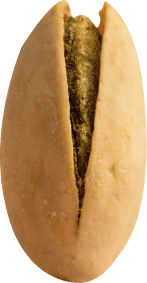
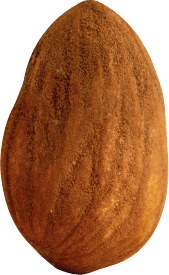
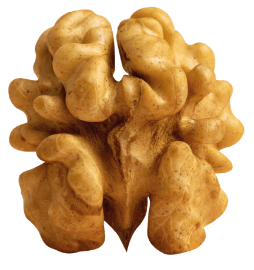
Almonds, hazelnuts, walnuts, pistachios, cashews, and peanuts: every variety of nut is packed with energy and goodness. Rich in healthy fats (especially monounsaturated and polyunsaturated), plant proteins, fiber, vitamins, and minerals, they are a valuable ally for anyone seeking a balanced diet.
Just think that a 30-gram serving of nuts can provide:
- a “sustained” energy supply that helps maintain constant blood sugar levels;
- an important contribution of natural antioxidants, such as vitamin E and polyphenols;
- a portion of omega-3 and omega-6, essential for heart health;
- minerals such as magnesium, phosphorus, zinc, and iron, essential for metabolism and cognitive functions.
Such a complete nutritional profile makes dried fruit not only an ideal snack, but also a functional ingredient for numerous food applications.
Snacks and bars: energy and taste in a single bite
Dried fruit has become a real “must-have” in bar snacks. Granola, bars, mixes with cereals, chocolate, or dehydrated fruit: the versatility of almonds, walnuts, or hazelnuts allows for the creation of ever-new combinations with great sensory appeal.
From a technical point of view, dried fruit:
- adds crunchiness and texture;
- intensifies the aromatic profile;
- contributes to product stability, thanks to its natural fat content;
- improves nutritional value, making the snack more complete and balanced.
In a market where consumers read labels carefully and reward naturalness, the inclusion of dried fruit in a product communicates quality and authenticity.
Breakfasts for hotels: the elegance of natural simplicity
In the hotel industry, breakfast has become a key part of the customer experience. Guests seek variety, taste, and well-being even in the morning. In this context, dried fruit is perfectly suited to these new demands.
Almonds and walnuts elegantly complement a buffet with yogurt, muesli, or fresh fruit; while pistachios and hazelnuts can enrich pancakes, muffins, or artisan croissants. Even in single-serving portions or practical small bowls, they represent added perceived value, perfect for hotels and resorts that want to stand out with a premium breakfast offering.
In addition, more and more establishments are choosing personalized mixes—perhaps with local or organic ingredients—to communicate a gastronomic identity consistent with their hospitality philosophy.
Vending and on-the-go products: the new face of smart snacking
Traditional vending is rapidly evolving towards healthier and more sustainable solutions. Today, vending machines no longer offer only conventional sweet and savory snacks, but increasingly offer a mix of dried and dehydrated fruit, natural protein bars, or mini single-serving packs perfect for those looking for a healthy break away from home.
Dried fruit perfectly meets this need:
- it can be stored for a long time without losing its organoleptic properties;
- it does not require refrigeration;
- it is easy to portion and package in pocket-sized formats;
- it offers a higher nutritional value than classic industrial snacks.
In addition, the growing interest in plant-based and clean label products makes dried fruit an ideal ingredient for natural formulations, without additives or added sugars.
A functional ingredient for the future of food
In addition to their nutritional value, dried fruits also play a very interesting technological and functional role in the food industry:
- they can act as a natural binding agent in bars or cereal mixes;
- they provide high-quality vegetable fats that improve the structure of creams and fillings;
- they provide vegetable proteins that can be used in meat or milk alternatives;
- they allow for a reduction in sugars and additives while maintaining taste and texture.
For this reason, many food companies are investing in the creation of new lines of “functional” products, in which dried fruit is no longer just a complement but the heart of the formulation.
Well-being, taste, and sustainability: the winning trio
Today, the success of a snack or on-the-go product is not only measured by its taste, but also by its consistency with the values of modern consumers: well-being, sustainability, and transparency.
Dried fruit, with its natural origin and the possibility of coming from a controlled and certified supply chain, fits perfectly with these principles. Quality-conscious companies can also promote ethical and environmental aspects, communicating their commitment to healthy and responsible nutrition.
Small fruits, big opportunities
Whether it's a snack to enjoy between meetings, a hotel breakfast, or a break at the vending machine, dried fruit is the ingredient that combines taste, health, and innovation.
For companies in the food sector, it represents an extraordinary opportunity for differentiation: a concrete way to offer products that respond to new market demands, improve the nutritional profile of recipes, and tell a story of naturalness and well-being.
In an increasingly fast-paced world, dried fruit remains the secret to making every break—whether short or long—tastier, healthier, and more authentic.